Background
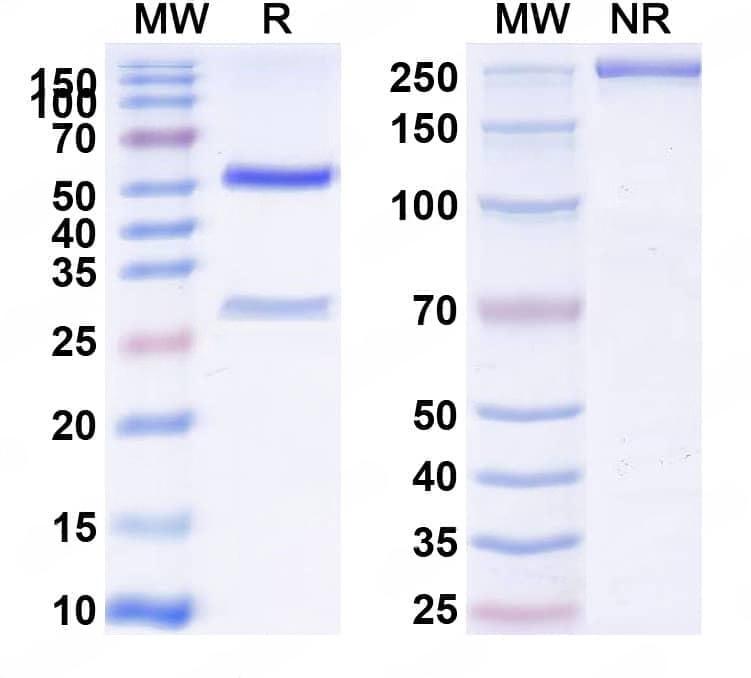
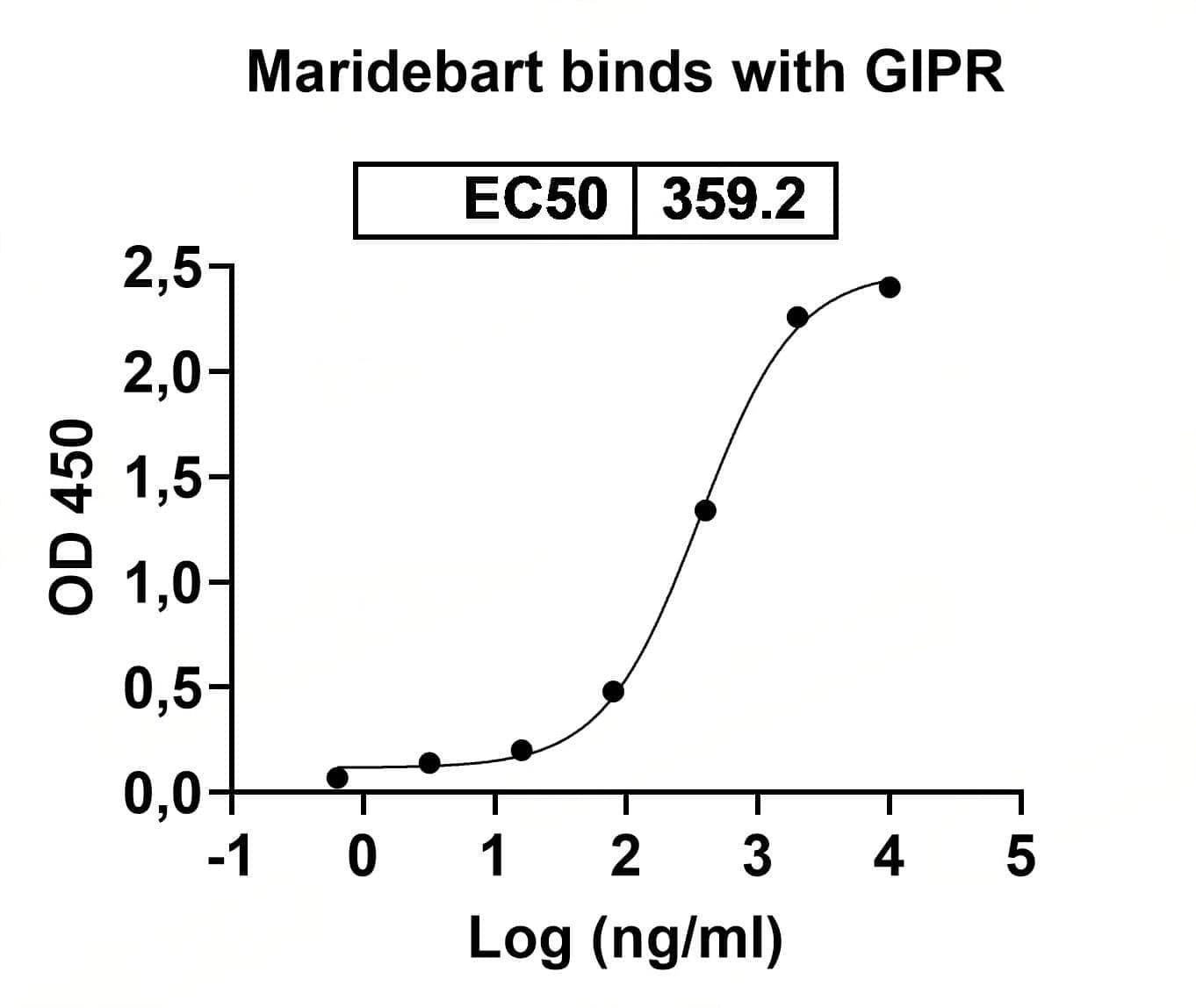
Maridebart is a human immunoglobulin G1-kappa, anti-GIPR (gastric inhibitory polypeptide receptor) monoclonal antibody.• Physiologic and pharmacologic modulation of glucose-dependent insulinotropic polypeptide (GIP) receptor expression in beta-cells by peroxisome proliferator-activated receptor (PPAR)-gamma signaling: possible mechanism for the GIP resistance in type 2 diabetes., PMID:20332343• Chemical ablation of gastric inhibitory polypeptide receptor action by daily (Pro3)GIP administration improves glucose tolerance and ameliorates insulin resistance and abnormalities of islet structure in obesity-related diabetes., PMID:16046312• A point mutation in the glucose-dependent insulinotropic peptide receptor confers constitutive activity., PMID:9125160• Disbalance of the Duodenal Epithelial Cell Turnover and Apoptosis Accompanies Insensitivity of Intestinal Redox Homeostasis to Inhibition of the Brain Glucose-Dependent Insulinotropic Polypeptide Receptors in a Rat Model of Sporadic Alzheimer's Disease., PMID:34607331• The Sp transcription factors are involved in the cellular expression of the human glucose-dependent insulinotropic polypeptide receptor gene and overexpressed in adrenals of patients with Cushing's syndrome., PMID:16087722• Role of regulator of G protein signaling in desensitization of the glucose-dependent insulinotropic peptide receptor., PMID:9794454• The ectopic expression of the gastric inhibitory polypeptide receptor is frequent in adrenocorticotropin-independent bilateral macronodular adrenal hyperplasia, but rare in unilateral tumors., PMID:11994328• The cysteine of the cytoplasmic tail of glucose-dependent insulinotropic peptide receptor mediates its chronic desensitization and down-regulation., PMID:9705086• Discovery of dual-action membrane-anchored modulators of incretin receptors., PMID:21935440• Effects of chronic exposure of clonal β-cells to elevated glucose and free fatty acids on incretin receptor gene expression and secretory responses to GIP and GLP-1., PMID:24164718


 抗体
抗体 试剂盒
试剂盒 多肽
多肽 蛋白
蛋白 组织芯片
组织芯片

 定制服务咨询